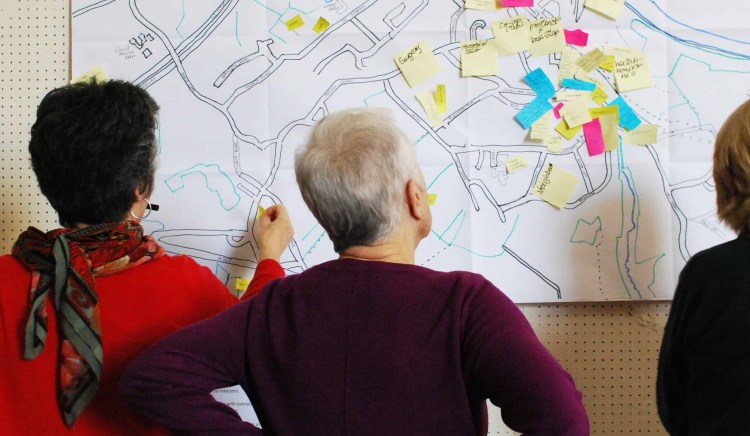
Let me start with a truth that often gets buried under spreadsheets and delivery plans. People don’t oppose infrastructure, they oppose feeling ignored and that’s a very different problem.
It’s easy to get caught up in options, timelines, budgets and engineering detail. All important. All necessary. But here’s the real secret: Infrastructure projects succeed or fail on trust. Not concrete or steel but trust. So let’s talk about how to build it, properly, practically, and in a way that actually works.
Start with why (before you talk about what)
Here’s where many projects go wrong, they lead with:
- “We’re building a new road…”
- “We’re upgrading utilities…”
And the community thinks: “Why should I care?”
So, you need to flip it and start with: How this improves daily life, how it makes things safer and how it benefits the community.
Tip: Translate technical benefits into human outcomes.
Instead of: “Improved traffic flow”, say: “Less time stuck in traffic, more time at home with your family”. That’s what people connect with.
Tip 1: Listen like you mean it
Let’s clear something up. Holding a public meeting is not the same as listening – people can tell the difference. Real listening looks like: asking open question, letting people speak fully, reflecting back what you’ve heard and being willing to adjust. Because when people feel heard, they become less resistant and more constructive.
Tip 2: Engage early (earlier than feels comfortable)
Here’s a classic mistake: engaging the community once decisions are mostly made. That’s not engagement. That’s damage control. Instead:
- Involve people at the start
- Share early thinking
- Invite input before decisions are made
Hint: Early engagement feels messy but saves you pain later.
Tip 3: Keep showing up (don’t disappear)
Another common pattern: big engagement at the start, then silence that creates suspicion. So stay visible with regular updates, ongoing conversations and clear timelines.
Tip: Even when there’s nothing new to say, say something like: “Here’s where we are currently at” is better than radio silence.
Tip 4: Build a shared vision (not just a project plan)
This is where things get powerful. Instead of: “Here’s what we’re doing”, aim for: “Here’s what we’re building together”. Bring in and engage residents, local businesses, community groups and public officials and ask: What does success look like for you? What matters most here? Because when people help shape the vision, they support the outcome.
Tip 5: Lead with empathy
Let’s not forget, infrastructure projects disrupt lives though noise, traffic, uncertainty and change so before you explain the plan, acknowledge the impact by saying: “We know this will be disruptive” and “We understand this is a big change”.
Put yourself in their shoes:
- What would worry you?
- What would frustrate you?
- What would you need to feel reassured?
Because empathy doesn’t weaken your message, it strengthens it.
Tip 6: Be Transparent (especially when it’s hard)
Here’s the reality: things will go wrong, delays will occur, changes will be made and unexpected issues will come about. It’s normal but what matters is how you handle it. Be upfront, share what’s happening, explain why and outline what’s next.
Golden rule: Bad news doesn’t damage trust but hiding bad news does.
Tip 7: Create real opportunities to engage
Engagement isn’t one-size-fits-all. Different people prefer different ways to participate so offer options:
- Public meetings (for discussion)
- Surveys (for quick input)
- Drop-in sessions (for accessibility)
- One-to-one conversations (for depth)
Tip: Make it easy to engage. If it’s complicated, people won’t bother.
Tip 8: Close the loop (this is where trust is won)
This is the moment that matters most. You’ve listened, gathered input and now you need to show what happened next. Tell people what you heard, what changed and what didn’t (and why).
For example: “Based on your feedback, we’ve adjusted working hours to reduce evening disruption.” That one sentence? It turns scepticism into trust.
A quick reality check. If your project is facing resistance, frustration or mistrust, it’s rarely just about the project. It’s about how people feel about it.
Final Thought: this is leadership, not just engagement
Let’s land this simply. Community engagement isn’t a task; it’s a leadership behaviour. It’s about, showing up early, listening properly, communicating clearly and acting with empathy. Because when you do that, you don’t just build infrastructure.
You build relationships, trust and something people feel part of and that’s when a project stops being ‘done to a community’, and becomes something built with them. Now that’s how you create impact that lasts.

