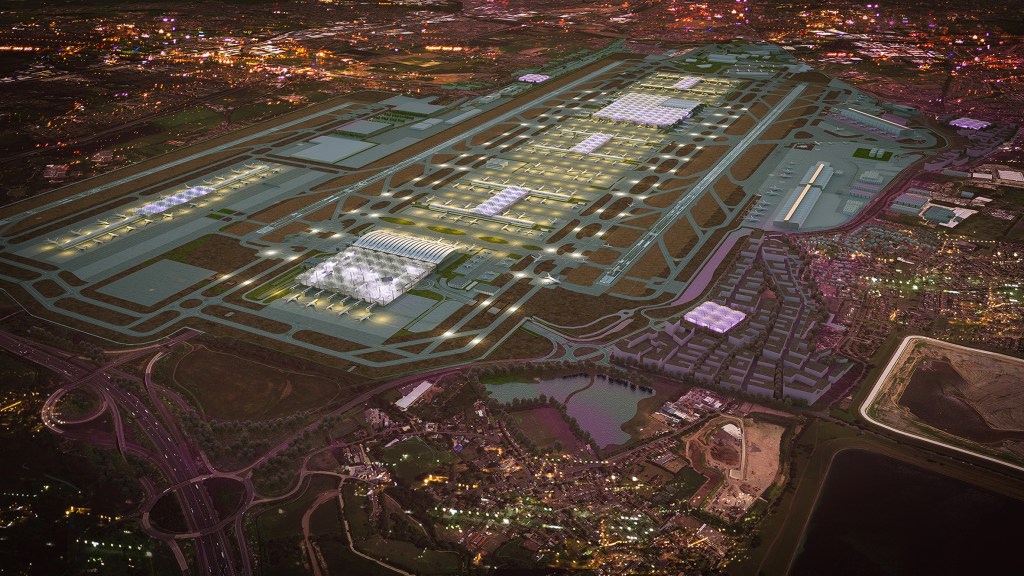
Airport infrastructure is pivotal to the global transportation network, connecting regions and enabling economic growth. However, the development and expansion of airports bring several challenges, especially concerning surface access and the impact on local communities. Addressing these challenges through effective stakeholder engagement can lead to the creation of integrated transport hubs that benefit both the airport and the surrounding areas.
Challenges of airport infrastructure
Capacity and congestion
- Airside and landside congestion: Airports face congestion both in the air and on the ground. Limited runways and taxiways can cause delays, while terminal buildings may struggle to handle increasing passenger numbers.
- Surface access: The roads, rail, and public transport systems that provide access to airports often become bottlenecks, leading to increased travel times and frustration for passengers.
Environmental impact
- Noise pollution: Aircraft noise affects nearby residential areas, leading to potential health issues and reduced quality of life.
- Air pollution: Increased vehicular traffic around airports contributes to air pollution, impacting the environment and public health.
Land use and urban planning
- Space constraints: Airports require large tracts of land, which can conflict with other land uses, including residential, commercial, and agricultural areas.
- Urban sprawl: The need for expanded infrastructure can lead to urban sprawl, disrupting local communities and ecosystems.
Economic and social considerations
- Displacement and resettlement: Expanding airport infrastructure may necessitate the relocation of local residents and businesses, causing social and economic disruptions.
- Economic disparities: Benefits of airport expansion often disproportionately favour certain groups, potentially exacerbating local economic inequalities.
The role of stakeholder engagement
Effective stakeholder engagement is crucial in mitigating the challenges associated with airport infrastructure development. By involving a broad range of stakeholders – including local communities, government agencies, businesses, and environmental groups – airports can develop more sustainable and community-friendly projects.
Inclusive planning and decision-making
- Public consultations: Regular public consultations ensure that the voices of local residents and businesses are heard, and their concerns addressed. This can lead to more socially acceptable and less contentious development plans.
- Collaborative workshops: Bringing together different stakeholders in workshops can foster a collaborative approach to problem-solving, ensuring that multiple perspectives are considered.
Environmental mitigation strategies
- Noise abatement programmes: Engaging with communities to implement noise abatement measures, such as restricted flight paths and soundproofing homes, can help reduce the impact of airport noise.
- Sustainable transport solutions: Promoting the use of public transport, cycling, and walking for airport access can reduce vehicular emissions and traffic congestion.
Integrated transport hubs
- Multimodal transport links: Developing integrated transport hubs that connect airports with rail, bus, and other public transport systems can enhance accessibility and reduce reliance on private cars. This integration requires the collaboration of various transport authorities and service providers.
- Smart infrastructure: Implementing smart technologies for traffic management and passenger flow can optimise surface access and improve the overall efficiency of transport hubs.
Community benefits
- Economic opportunities: Airports can create job opportunities and stimulate local economies. Engaging with local businesses to ensure they benefit from airport-related developments can create a more balanced economic impact.
- Community development programs: Investing in community development programmes, such as improving local amenities and infrastructure, can offset some of the negative impacts of airport expansion.
Transparency and accountability
- Regular reporting: Keeping the community informed through regular updates and transparent reporting on project progress and impact assessments builds trust and ensures accountability.
- Independent oversight: Establishing independent bodies to oversee the development and address grievances can provide an impartial platform for resolving disputes and ensuring fair practices.
The challenges of airport infrastructure are multifaceted, involving capacity constraints, environmental impacts, land use conflicts, and socio-economic considerations. However, through proactive and inclusive stakeholder engagement, airports can mitigate these challenges and develop integrated transport hubs that enhance connectivity, reduce environmental impact, and provide tangible benefits to local communities. By fostering a collaborative approach, airports can balance the needs of growth and development with the well-being of the communities they serve.

