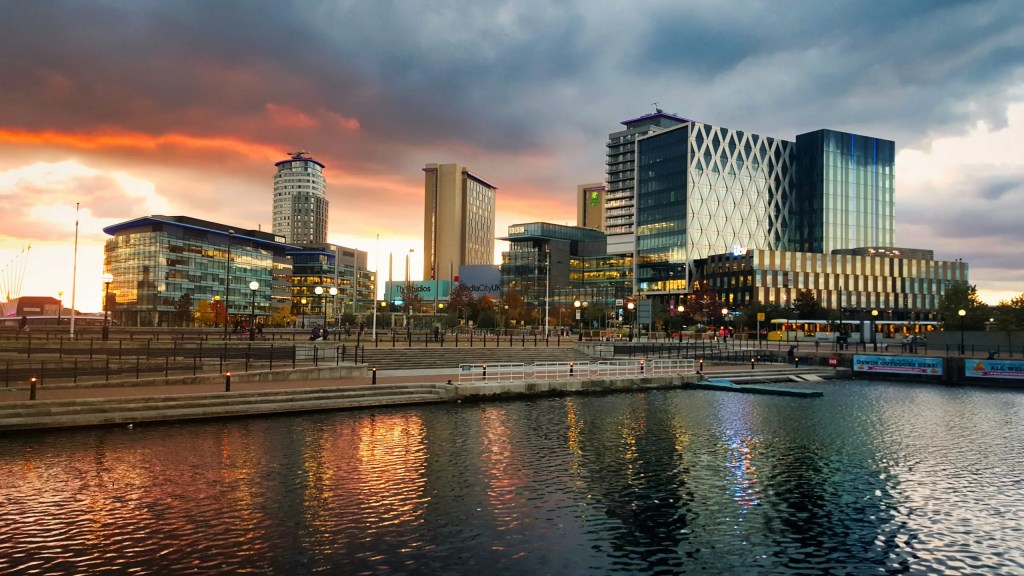
When we talk about master plan regeneration, we’re often caught up in the grandeur of new buildings, bustling parks, and revitalised public spaces. But behind these transformations lies the true heartbeat of change: stakeholders. These are the people who live, work, and dream within the communities being reshaped. Their voices, stories, and aspirations are not just important – they are essential.
The many faces of stakeholders
Stakeholders in master plan regeneration come in all forms. They are the local residents who have seen their neighbourhoods evolve over decades, the business owners whose livelihoods depend on the community, the city planners with visions for the future, and the activists fighting for sustainable and equitable development. Each of these voices brings a unique perspective and invaluable insight into the planning process.
Local residents
- Custodians of history: Long-time residents are the living memory of the area. They remember what was there before and have a deep understanding of the community’s character and needs.
- Voices of change: Their everyday experiences and challenges highlight what works and what doesn’t. Engaging with them ensures that regeneration plans address real issues and enhance quality of life.
Business owners
- Economic anchors: Local businesses are the economic backbone of any community. Their success is crucial for vibrant, thriving neighbourhoods.
- Partners in innovation: Business owners can offer practical insights into how regeneration can foster a supportive environment for local commerce and attract new opportunities.
City planners and officials
- Architects of vision: Planners and officials bring technical expertise and a broader perspective on urban development. Their role is to balance visionary goals with practical implementation.
- Facilitators of collaboration: They serve as bridges between the community’s aspirations and the practicalities of policy and regulation.
Community activists and NGOs
- Champions of equity: These stakeholders ensure that regeneration efforts do not overlook marginalised groups and that benefits are shared equitably across the community.
- Guardians of sustainability: Campaigners often push for environmentally friendly practices, ensuring that new developments contribute positively to the planet.
The power of genuine engagement
Meaningful stakeholder engagement goes beyond ticking boxes on a checklist. It’s about creating a dialogue where all voices are heard and respected. Here’s why genuine engagement is vital:
Building trust and ownership
- Inclusive processes: When stakeholders are genuinely involved, they feel a sense of ownership over the project. This leads to greater community support and smoother implementation.
- Transparent communication: Keeping stakeholders informed and involved at every stage builds trust. Transparency about challenges and decisions fosters a collaborative spirit.
Harnessing local knowledge
- Community insights: Residents and local businesses provide insights that external consultants might miss. Their intimate knowledge of the area can reveal hidden opportunities and potential pitfalls.
- Cultural sensitivity: Understanding local customs, traditions, and values ensures that new developments respect and enhance the community’s cultural fabric.
Fostering innovation and resilience
- Collaborative solutions: Engaging diverse stakeholders often leads to innovative solutions that are both practical and creative. This collective brainstorming can address complex challenges in novel ways.
- Adaptive planning: Stakeholder feedback can help planners adapt and refine their plans to be more resilient and responsive to future changes.
A human-centred approach
To truly harness the power of stakeholders in master plan regeneration, a human-centred approach is essential. This means prioritising empathy, respect, and active listening throughout the planning process. Here are some ways to do this:
Community workshops
- Interactive sessions: Organise workshops where stakeholders can actively participate in designing solutions. Use visual aids and interactive tools to make the process engaging and accessible.
- Co-creation: Intensive planning sessions bring together diverse stakeholders to co-create plans in real-time, fostering a sense of shared purpose.
Storytelling and visioning
- Personal narratives: Encourage stakeholders to share their personal stories and visions for the future. This adds a human dimension to the planning process and grounds it in real-life experiences.
- Vision boards: Use vision boards and other creative tools to help stakeholders articulate their hopes and dreams for the community.
Regular feedback loops
- Ongoing dialogue: Establish regular check-ins and feedback sessions to keep the conversation going. This ensures that stakeholder input continuously shapes the project as it evolves.
- Responsive adaptations: Be prepared to adapt plans based on feedback, showing stakeholders that their contributions are valued and impactful.
Master plan regeneration is not just about buildings and infrastructure; it’s about the people who give life to these spaces. By embracing a strategic and human-centred approach to stakeholder engagement, we can ensure that regeneration efforts are not only successful but also meaningful and transformative. The heart of any community lies in its people, and their voices are the most powerful tools we have for creating vibrant, resilient, and inclusive neighbourhoods.
 Rapport North