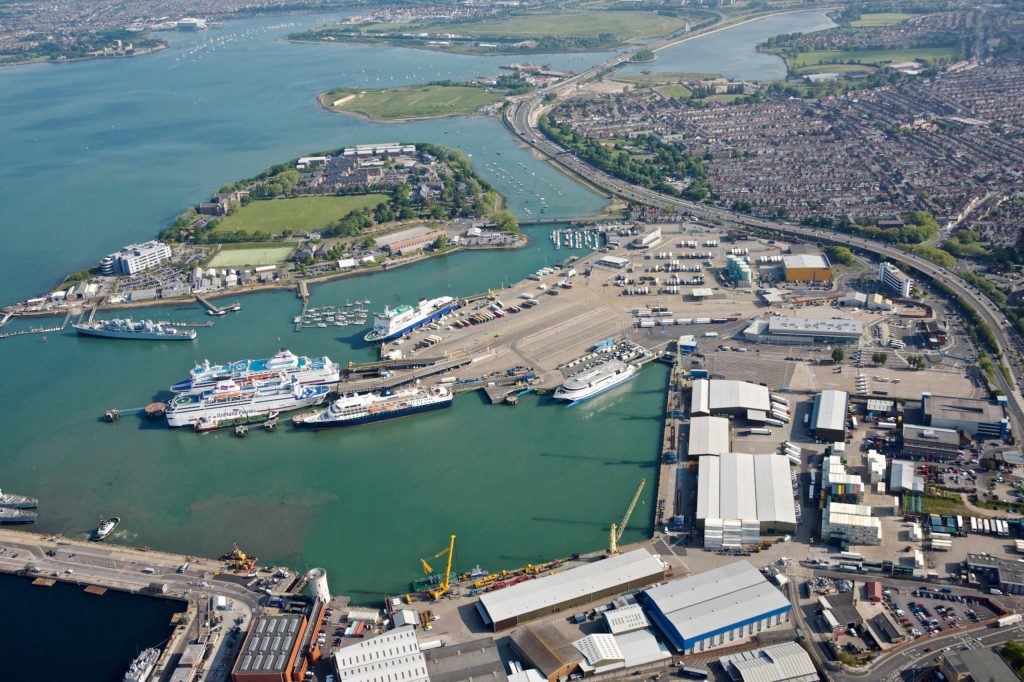
Historically, ports have served as critical nodes in global trade, driving economic growth and facilitating the movement of goods across continents. However, their role has evolved beyond mere points of transit. Modern ports are now integral components of community development, acting as engines of local economies and catalysts for urban regeneration. This transformation has been largely driven by strategic partnerships and robust public dialogue, enabling ports to secure a license to grow and establish themselves as community builders.
The evolving role of ports. In the past, ports were often isolated from their surrounding communities, focused solely on their operational efficiency and economic output. Today, the narrative has shifted. Ports are now seen as vital parts of the urban fabric, contributing to local development through infrastructure projects, environmental initiatives, and social programs. This shift has been facilitated by a growing recognition of the interconnectedness between port activities and community well-being.
Strategic partnerships: building a collaborative framework
One of the key drivers of this transformation has been the establishment of strategic partnerships. Ports are increasingly collaborating with a diverse range of stakeholders, including local governments, businesses, environmental groups, and community organisations. These partnerships are essential for several reasons:
- Shared vision and goals: By aligning their objectives with those of their stakeholders, ports can ensure that their growth strategies are mutually beneficial. This alignment helps in gaining broader support for development projects and initiatives.
- Resource sharing: Strategic partnerships enable ports to leverage the resources and expertise of their partners. For example, collaborations with environmental organisations can help ports implement sustainable practices, while partnerships with educational institutions can facilitate workforce development.
- Innovation and best practices: Working with a diverse group of stakeholders allows ports to adopt innovative solutions and best practices from different sectors. This cross-pollination of ideas can lead to more efficient and effective operations.
Public Dialogue: Engaging the Community
Public dialogue is another critical component in the development of ports as community builders. Effective communication and engagement with the local community help build trust and ensure that port development projects are responsive to the needs and concerns of residents. There are several ways ports are fostering public dialogue:
- Community advisory panels: Many ports have established advisory panels that include representatives from various community groups. These panels provide a platform for regular dialogue and feedback on port activities and development plans.
- Public meetings and workshops: Hosting public meetings and workshops allows ports to directly engage with the community, share information about upcoming projects, and gather input. This participatory approach ensures that community voices are heard and considered.
- Transparency and accountability: By maintaining transparency in their operations and decision-making processes, ports can build trust with communities. This includes sharing information about environmental impacts, economic benefits, and progress on development projects.
Ports leading the way: Several ports around the world have successfully established themselves as community builders through strategic partnerships and public dialogue, including:
- Port of Los Angeles, USA: The Port of Los Angeles has implemented a comprehensive stakeholder engagement program, including regular community meetings and advisory boards. Its Clean Air Action Plan, developed in partnership with environmental groups and local authorities, has significantly reduced air pollution while supporting economic growth.
- Port of Rotterdam, Netherlands: The Port of Rotterdam has positioned itself as a hub for innovation and sustainability. Through partnerships with tech companies, research institutions, and the local government, the port has launched numerous initiatives aimed at reducing carbon emissions and promoting circular economy practices.
- Port of Brisbane, Australia: The Port of Brisbane has focused on enhancing its relationship with the local community through extensive public consultations and community outreach programs. Its development projects are designed to balance economic growth with environmental stewardship and community well-being.
The evolution of ports from isolated economic entities to integral community builders is a testament to the power of strategic partnerships and public dialogue. By engaging with a wide range of stakeholders and fostering open communication, ports can secure their license to grow in ways that benefit both the local community and the broader economy. As they continue to embrace this role, ports will not only enhance their operational capabilities but also contribute to the sustainable and inclusive development of the regions they serve.
 Rapport North