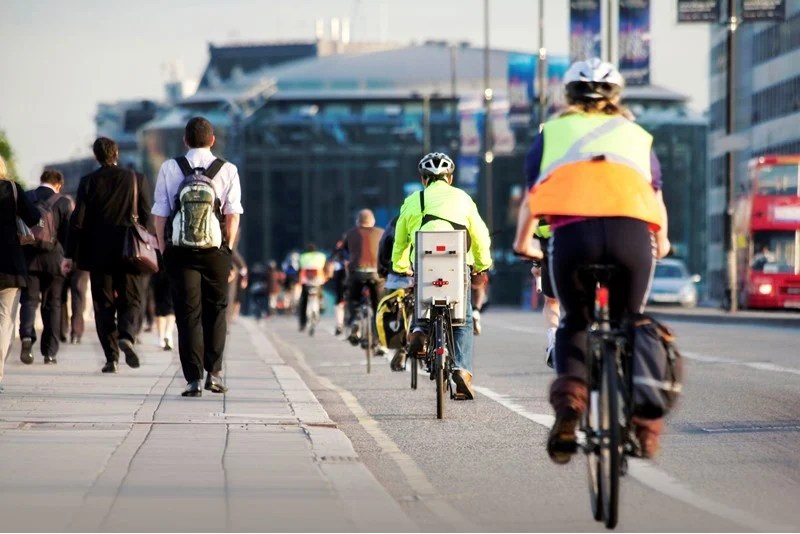
Welcome to our active travel series, a comprehensive exploration of the dynamic world of non-motorised transportation. Over the coming weeks, we will delve into various aspects of active travel, shedding light on its benefits, challenges, and the innovative solutions being implemented around the UK. This series aims to inform, inspire, and engage readers by presenting a wide array of topics related to walking, cycling, and other forms of active travel.
Each article will focus on a specific theme, ranging from the latest developments and measures to community engagement strategies and the health and environmental benefits of active travel. We will also highlight success stories from cities that have embraced active travel and provide practical tips for individuals looking to incorporate more walking and cycling into their daily routines.
Whether you are a seasoned cyclist, a pedestrian advocate, or someone curious about the potential of active travel, this series is for you. Join us as we embark on this journey to explore how active travel can create healthier, more sustainable communities and transform our urban landscapes.
In the first of our articles this month, we set the stage by examining the current state of active travel and identifying the key factors in overcoming the community engagement challenges. Let’s get moving!
Current active travel status
Active travel has gained significant national attention in recent years as cities strive to become more sustainable and health conscious. Despite the clear benefits – reduced traffic congestion, lower pollution levels, and improved public health – the transition towards widespread active travel adoption faces several community engagement challenges.
Active travel is on the rise, driven by urban planning policies, public health campaigns, and a growing environmental consciousness. Many cities have made significant investments in infrastructure, such as dedicated cycling lanes, pedestrian zones, and bike-sharing programs. European cities like Copenhagen and Amsterdam are renowned for their extensive cycling networks and high rates of bicycle usage. Similarly, cities in North America, Asia, and Australia are catching up, with numerous projects aimed at making urban areas more pedestrian and cyclist friendly.
However, the adoption of active travel across the UK is recognised as being uneven, with significant disparities between different regions and communities. While some urban centres have embraced the shift, suburban and rural areas often lag due to inadequate infrastructure and lower population densities. Moreover, cultural attitudes towards active travel vary widely, influencing how quickly these practices are adopted.
Challenges in community engagement
- Cultural and behavioural barriers: Many communities are car-centric, viewing driving as the primary mode of transportation. Changing these deeply ingrained habits requires more than just infrastructure; it necessitates a cultural shift towards valuing active travel.
- Safety concerns: Safety is a significant deterrent, especially for cyclists and pedestrians. Concerns about traffic accidents, poorly lit areas, and crime can discourage people from choosing active travel options.
- Lack of infrastructure: In many areas, the infrastructure for active travel is either inadequate or non-existent. The absence of continuous and well-maintained pathways can make active travel inconvenient and unsafe.
- Awareness and information gaps: Communities may lack awareness of the benefits of active travel and the available infrastructure. Effective communication strategies are crucial to inform and educate the public.
- Inclusivity issues: Active travel initiatives sometimes fail to address the needs of all community members, including people with disabilities, the elderly, and those in lower-income neighbourhoods.
Strategies to overcome engagement challenges
- Cultural change campaigns: Developing campaigns that promote the benefits of active travel can help shift public perception. Success stories from cities with high active travel rates can be highlighted to showcase the advantages.
- Enhancing safety: Improving safety through better lighting, traffic calming measures, and the presence of dedicated lanes for cyclists and pedestrians is essential. Community policing and neighbourhood watch programs can also enhance security.
- Infrastructure development: Investing in continuous, accessible, and well-maintained infrastructure is crucial. Cities should focus on creating interconnected networks that facilitate seamless travel.
- Community involvement: Engaging community members in the planning process can ensure that the infrastructure meets their needs. Co-creation, public consultations, surveys, options identification and workshops can gather valuable input and foster a sense of ownership.
- Educational programs: Schools, workplaces, and community centres can host educational programs to raise awareness about the benefits of active travel. These programs can also provide practical information, such as safe travel routes and tips for new cyclists.
- Inclusivity and accessibility: Ensuring that active travel infrastructure is accessible to everyone is crucial. This includes designing pathways that accommodate people with disabilities and ensuring that lower-income areas are equally prioritised in infrastructure development.
- Partnerships and collaboration: Collaboration between government agencies, non-profits, and private sector organisations can amplify efforts. Partnerships can help pool resources, share expertise, and reach a broader audience.
Active travel holds the promise of transforming urban environments into healthier, more sustainable spaces. However, realising this potential requires overcoming significant community engagement challenges. By addressing cultural attitudes, improving safety, developing robust infrastructure, and ensuring inclusivity, cities can foster a supportive environment for active travel. The combined efforts of governments, communities, and organisations can pave the way towards a future where active travel is a norm rather than an exception.
 Rapport North