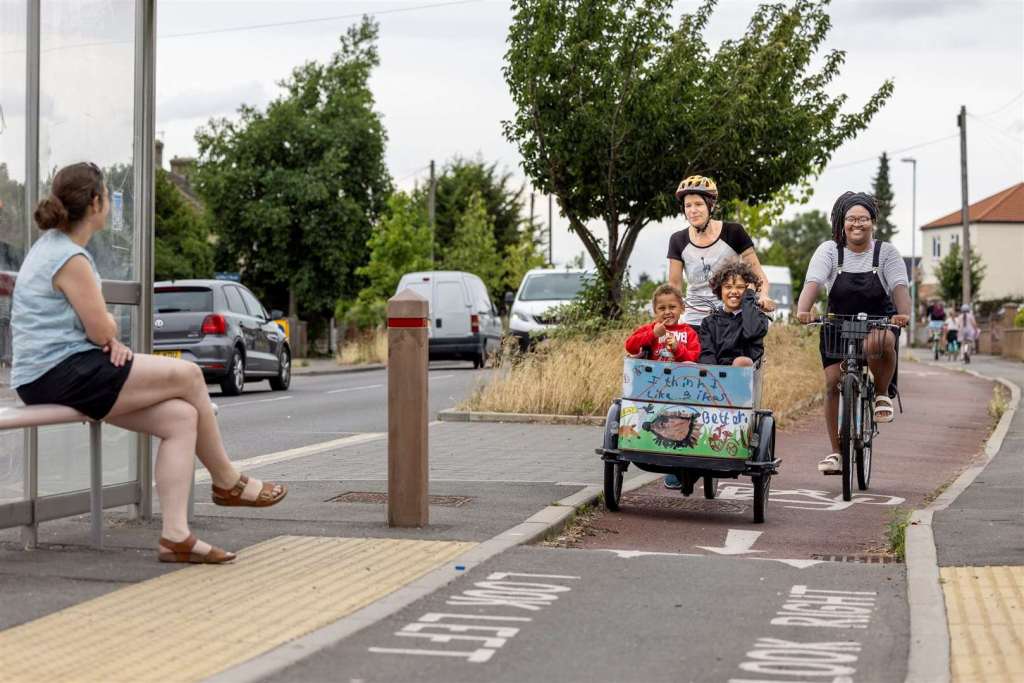
Active travel, such as walking, cycling, or using other non-motorised modes of transportation, offers numerous benefits, including improved health, reduced traffic congestion, and lower carbon emissions. Benefits that contribute to healthier, vibrant, and more sustainable communities include:
- Improved Physical Health: Walking and cycling are excellent forms of exercise, helping individuals maintain a healthy weight, reduce the risk of chronic diseases like heart disease and diabetes, and improve cardiovascular health.
- Reduced Air Pollution: Active travel reduces reliance on cars, which are significant contributors to air pollution. By choosing walking or cycling over driving, communities can decrease emissions of harmful pollutants, leading to cleaner air and improved respiratory health for residents.
- Enhanced Mental Well-being: Regular physical activity, such as walking or cycling, has been shown to reduce stress, anxiety, and depression. Additionally, active travel often provides opportunities for social interaction, fostering a sense of community and belonging.
- Increased Accessibility: Walking and cycling infrastructure, such as pavements, bike lanes, and pedestrian-friendly pathways, make communities more accessible to people of all ages and abilities. This enhances mobility and independence for individuals who may not have access to private transportation.
- Support for Local Economies: Active travel encourages people to spend more time in their local neighbourhoods, increasing foot traffic for businesses and supporting local economies. Additionally, investing in walking and cycling infrastructure can attract tourists interested in exploring pedestrian-friendly areas.
- Reduced Traffic Congestion: By promoting walking, cycling, and public transportation, communities can alleviate traffic congestion and reduce the need for additional road infrastructure. This leads to smoother traffic flow, shorter commute times, and less stress for residents.
- Environmental Sustainability: Active travel produces fewer greenhouse gas emissions compared to driving, contributing to efforts to mitigate climate change and reduce carbon footprints. By prioritising walking and cycling, communities can play a role in promoting environmental sustainability.
- Healthier Built Environments: Designing communities with walking and cycling in mind often leads to more compact, mixed-use developments with amenities such as parks, green spaces, and recreational facilities. These environments promote physical activity and a greater connection to nature, fostering overall well-being.
- Cost Savings: Choosing active travel modes can lead to significant cost savings for individuals and communities. Walking and cycling are typically much cheaper than driving, with lower expenses for fuel, maintenance, and parking. Additionally, investing in active travel infrastructure can yield long-term economic benefits through improved public health and reduced healthcare costs.
Overall, active travel plays a vital role in creating healthier, more vibrant, and sustainable communities by promoting physical activity, reducing pollution, enhancing accessibility, supporting local economies, and fostering social connections. However, it also presents several challenges:
- Infrastructure: In many places, the infrastructure for active travel, such as pavements, bike lanes, and pedestrian crossings, may be inadequate or poorly maintained. Without safe and accessible infrastructure, people may be hesitant to choose active modes of transportation.
- Safety concerns: Safety is a significant concern for active travellers, particularly cyclists and pedestrians. Lack of designated lanes, inadequate lighting, and interactions with motor vehicles can pose risks to safety and deter people from walking or cycling, especially in busy urban areas.
- Perceived inconvenience: Some individuals perceive active travel as less convenient than driving or using public transportation, particularly for longer distances or in inclement weather. The perceived inconvenience of active travel may discourage people from choosing these modes of transportation, even if they are physically capable of doing so.
- Cultural and social norms: Cultural attitudes and social norms can influence the uptake of active travel. In some places, there may be a cultural preference for car ownership, or a stigma associated with walking or cycling, particularly for certain demographic groups.
- Accessibility: Active travel may not be accessible to everyone, particularly individuals with mobility impairments or those who live in areas with limited infrastructure or amenities within walking or cycling distance. Lack of accessibility can exacerbate inequalities in access to transportation and opportunities for physical activity.
- Weather and climate: Adverse weather conditions, such as rain, snow, or extreme heat, can deter people from walking or cycling outdoors. Without adequate infrastructure or facilities to accommodate different weather conditions, active travel may be less feasible or desirable for many individuals.
- Time constraints: Busy schedules and time constraints may limit people’s ability to choose active modes of transportation, particularly for commuting or travel that requires quick and efficient transportation options. Perceived time constraints may lead individuals to prioritise convenience over physical activity.
- Safety perceptions: Perception of safety is crucial for encouraging active travel. Even if statistics show that active travel is relatively safe, public perception may differ, leading to reluctance to engage in walking or cycling. Addressing safety perceptions through infrastructure improvements and education campaigns is essential for promoting active travel.
- Integration with other modes: Seamless integration between active modes of transportation and other modes, such as public transit or car-sharing services, is essential for encouraging multimodal travel. Challenges may arise in terms of coordinating schedules, ensuring accessibility, and providing adequate facilities for bicycle parking or transit connections.
- Policy and funding: Effective promotion of active travel requires supportive policies and adequate funding for infrastructure improvements, education campaigns, and incentives. However, competing priorities and limited resources may hinder efforts to prioritise active travel initiatives at a local or regional level.
Addressing these challenges requires a multifaceted approach involving collaboration between government agencies, urban planners, transportation officials, community organisations, and other stakeholders. By investing in infrastructure improvements, promoting safety and accessibility, addressing cultural and social barriers, and implementing supportive policies and programs, communities can overcome barriers to active travel and create environments that encourage walking, cycling, and other forms of non-motorised transportation.
Public consultation and co-creation are crucial for the promotion of active travel for several reasons:
- Community engagement: Public consultation allows for meaningful engagement with the community, including residents, businesses, advocacy groups, and other stakeholders. By involving stakeholders in the planning and decision-making process, transportation authorities can better understand local needs, preferences, and concerns related to active travel infrastructure and initiatives.
- Local knowledge: Community members possess valuable local knowledge about their neighbourhoods, including existing transportation patterns, safety issues, and opportunities for improvement. Public consultation provides an opportunity to tap into this knowledge and incorporate it into the planning and design of active travel infrastructure, ensuring that solutions are contextually appropriate and responsive to community needs.
- Building trust: Public consultation builds trust and transparency between government agencies and the community. By actively engaging stakeholders in the decision-making process, transportation authorities demonstrate a commitment to listening to community input and incorporating it into their plans. This fosters trust and confidence in the outcomes of active travel initiatives and increases community support for implementation efforts.
- Ownership and buy-in: Co-creation empowers community members to take ownership of active travel initiatives and become advocates for change in their neighbourhoods. When stakeholders are involved in the design and implementation of projects, they are more likely to feel a sense of ownership and investment in the outcomes, leading to greater buy-in and support from the community.
- Tailored solutions: Public consultation allows for the development of tailored solutions that meet the specific needs and preferences of the community. By soliciting input from diverse stakeholders, transportation authorities can identify unique challenges and opportunities related to active travel and design interventions that address these factors effectively. This ensures that infrastructure investments are well-suited to the local context and have a meaningful impact on community health, mobility, and quality of life.
- Maximising effectiveness: Engaging the public in the planning and design process helps to identify potential barriers or concerns that may impact the effectiveness of active travel initiatives. By addressing these issues early on, transportation authorities can maximise the effectiveness of their investments and ensure that infrastructure improvements are well-received and utilised by the community.
- Inclusivity: Public consultation promotes inclusivity by ensuring that the voices of all community members are heard, including those from marginalised or underrepresented groups. By actively seeking input from diverse stakeholders, transportation authorities can identify, and address equity concerns related to access, safety, and affordability, ensuring that active travel initiatives benefit all residents, regardless of socioeconomic status or demographic characteristics.
Overall, public consultation and co-creation are essential components of successful active travel initiatives, facilitating community engagement, building trust, promoting ownership and buy-in, tailoring solutions to local needs, maximising effectiveness, and promoting inclusivity. By involving stakeholders in the planning and decision-making process, transportation authorities can create more sustainable, equitable, and resilient transportation systems that support active travel and enhance community well-being.

