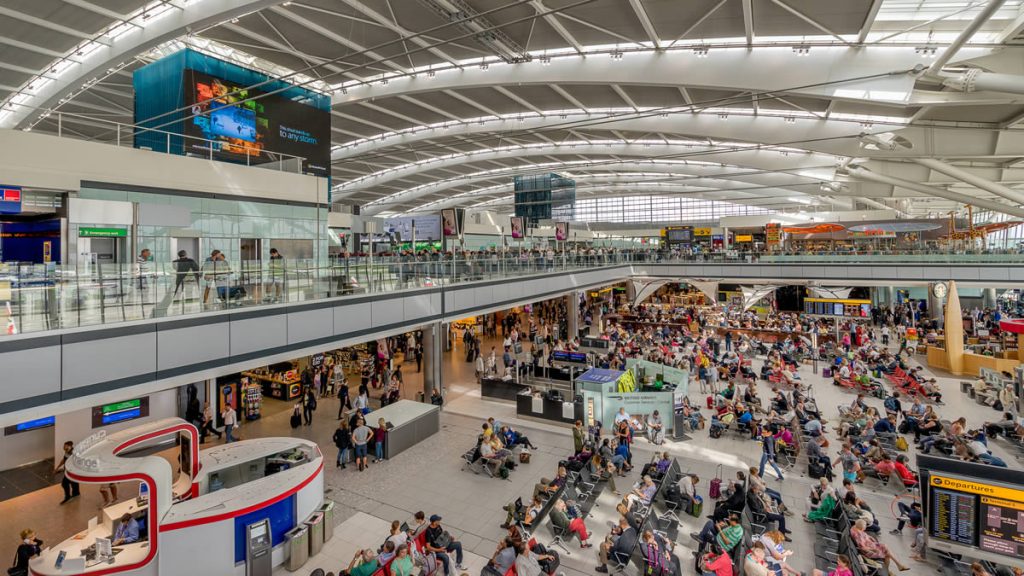
As global air travel continues to surge, the necessity for modern, efficient, and expanded airport infrastructure becomes increasingly critical. However, convincing stakeholders and communities of the importance of upgrading existing airport facilities can be challenging.
Effective, targeted, and tailored communication plays a pivotal role in bridging this gap, ensuring that all parties understand and support the required enhancements. Here’s how strategic communication can drive acceptance and enthusiasm for airport infrastructure upgrades.
Understanding stakeholder and community concerns
Every stakeholder and community group has unique perspectives, concerns, and priorities regarding airport infrastructure projects. Effective communication begins with understanding these diverse viewpoints. Tailored communication strategies must address specific issues such as environmental impact, economic benefits, noise pollution, and job creation. For instance, local communities might be more concerned about noise and environmental consequences, while business stakeholders might prioritise economic growth and efficiency.
Crafting a clear and compelling narrative
To garner support, it’s crucial to craft a narrative that clearly explains the necessity and benefits of the infrastructure upgrades. This narrative should be concise, factual, and compelling, highlighting key points such as:
- Safety enhancements: Upgraded infrastructure can significantly improve the safety of airport operations, reducing risks for passengers and staff.
- Economic growth: Modern airports are gateways to economic opportunities, fostering tourism, business travel, and trade, which in turn stimulates local economies.
- Environmental efficiency: New technologies and designs can make airports more environmentally friendly, reducing carbon footprints and promoting sustainable practices.
- Enhanced passenger experience: Improved facilities lead to shorter wait times, better services, and an overall enhanced travel experience, which can increase airport patronage and revenue.
Utilising diverse communication channels
Different stakeholders and community groups prefer different communication channels. Utilising a mix of traditional and digital media ensures the message reaches a broad audience. Techniques include:
- Public meetings and workshops: These provide platforms for direct engagement, allowing stakeholders to voice concerns and ask questions.
- Social media campaigns: Platforms like X, Facebook, and LinkedIn can disseminate information quickly and engage with a younger, tech-savvy audience.
- Press releases and media coverage: Traditional media outlets can reach a wide audience, ensuring that the message is heard by those who may not be active online.
- Newsletters and email alerts: These can provide detailed information and updates to interested parties directly.
Visual and interactive elements
Visual aids such as infographics, videos, and interactive maps can help illustrate complex information in an accessible and engaging way. For example, a video tour of proposed upgrades can make the benefits more tangible, while interactive maps can show the impact on traffic patterns or noise levels.
Transparent and continuous communication
Transparency is key to building trust. Providing regular updates and being honest about potential challenges and delays helps maintain credibility. Establishing a feedback loop where stakeholders can provide input and receive responses ensures ongoing engagement and support.
Highlighting success stories
Case studies of successful airport upgrades elsewhere can be powerful tools. By showcasing tangible benefits realised by other communities, stakeholders can visualise the potential positive outcomes of similar projects in their own context.
Community involvement and co-creation
Involving the community in the planning process fosters a sense of ownership and investment in the project. Public consultations, surveys, and participatory planning sessions allow community members to contribute their ideas and preferences, ensuring the project meets their needs and gains their support.
Upgrading airport infrastructure is a complex, multifaceted endeavour that requires the support and understanding of a wide range of stakeholders and community members. Through targeted, effective, and tailored communication, it’s possible to align diverse interests, address concerns, and build a compelling case for necessary improvements. By engaging stakeholders with clear, transparent, and inclusive strategies, airport authorities can foster a collaborative environment where infrastructure enhancements are not only accepted but embraced as a vital step towards a safer, more efficient, and economically prosperous future.
 Rapport North