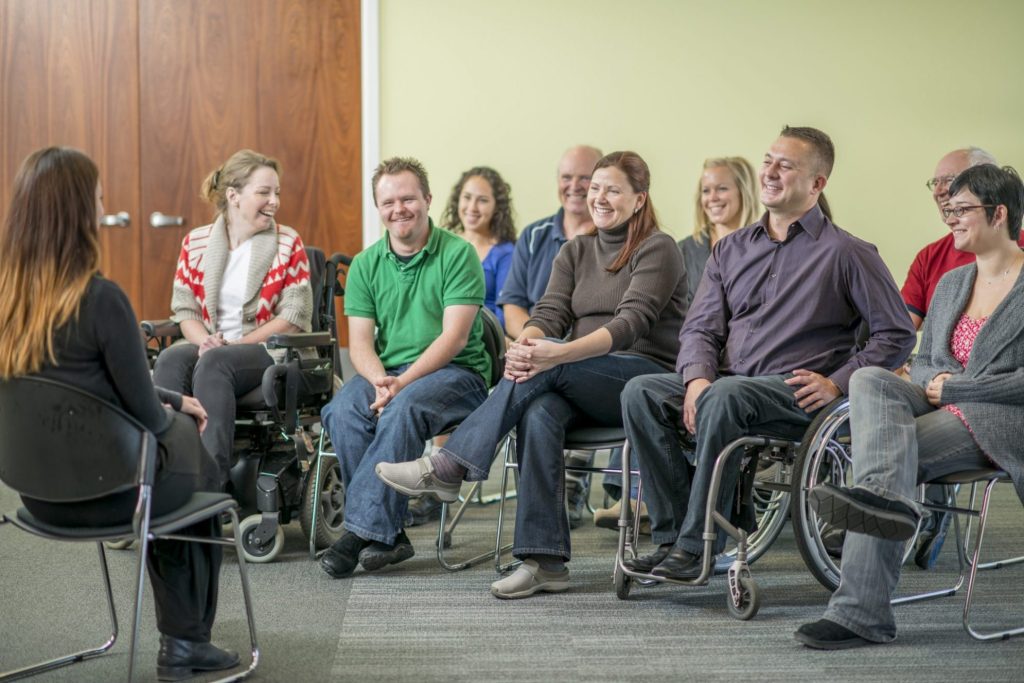
In various fields, be it business, governance, or community initiatives, the terms ‘consultation’ and ‘engagement’ are frequently used interchangeably. However, understanding the nuances between these two concepts is crucial for effective decision-making, collaboration, and fostering meaningful relationships. While both consultation and engagement involve interaction and communication, they differ significantly in their objectives, processes, and levels of participation.
Consultation: typically refers to a structured process where stakeholders are invited to provide feedback, opinions, or suggestions on a specific issue, proposal, or decision. It often involves seeking expert advice or input from relevant parties to inform decision-making. In a consultation, the focus is primarily on gathering insights and perspectives to refine or validate existing plans or proposals.
Key characteristics of consultation:
- Directional communication: Is often characterised by a one-way flow of information from the organisation or decision-maker to stakeholders. While stakeholders may respond, the ultimate decision-making authority typically resides with the organisation or an individual leading discussion.
- Specific focus: Consultations are usually targeted towards addressing particular issues, projects, or policies. Stakeholder input is sought within the context of predefined objectives or parameters.
- Formalised process: Consultations often follow a structured process with defined timelines, methods for gathering feedback (such as surveys, focus groups, or public hearings), and mechanisms for analysing and incorporating input into decision-making.
- Engagement: Engagement, on the other hand, is a broader and more inclusive approach to involving stakeholders in decision-making processes. Unlike consultation, which may be limited to seeking input on specific topics, engagement aims to build relationships, foster collaboration, and empower stakeholders to participate in shaping outcomes across various stages of a project or initiative.
Key characteristics of engagement:
- Two-way dialogue: Unlike one-way communication, engagement emphasises open dialogue and active listening. It involves meaningful interactions where stakeholders are not only heard but also encouraged to co-create solutions and contribute to decision-making processes.
- Holistic approach: Engagement extends beyond individual projects or decisions, encompassing ongoing relationships and broader community involvement. It recognises the value of diverse perspectives and seeks to involve stakeholders in a more comprehensive range of activities, from problem identification to solution implementation.
- Flexibility and adaptability: Engagement approaches are often more flexible and adaptable to the needs and preferences of different stakeholders. They may incorporate a variety of methods and platforms for interaction, including face-to-face meetings, workshops, digital forums, and social media channels.
Key differences:
- Purpose: Consultation focuses on obtaining feedback or input on specific issues or decisions, while engagement seeks to build relationships, trust, and collaboration over time.
- Level of participation: Consultation tends to involve stakeholders in a more limited capacity, primarily for feedback purposes, whereas engagement encourages active involvement and empowerment.
- Scope: Consultation is typically project-specific and transactional, whereas engagement is broader, encompassing ongoing relationships and multiple touchpoints.
In summary, while consultation and engagement share the common goal of involving stakeholders in decision-making processes, they differ significantly in their objectives, approaches, and levels of participation. Understanding these distinctions is essential for organisations and decision-makers to design more effective and inclusive processes that truly empower stakeholders and lead to better outcomes for all involved.
 Rapport North