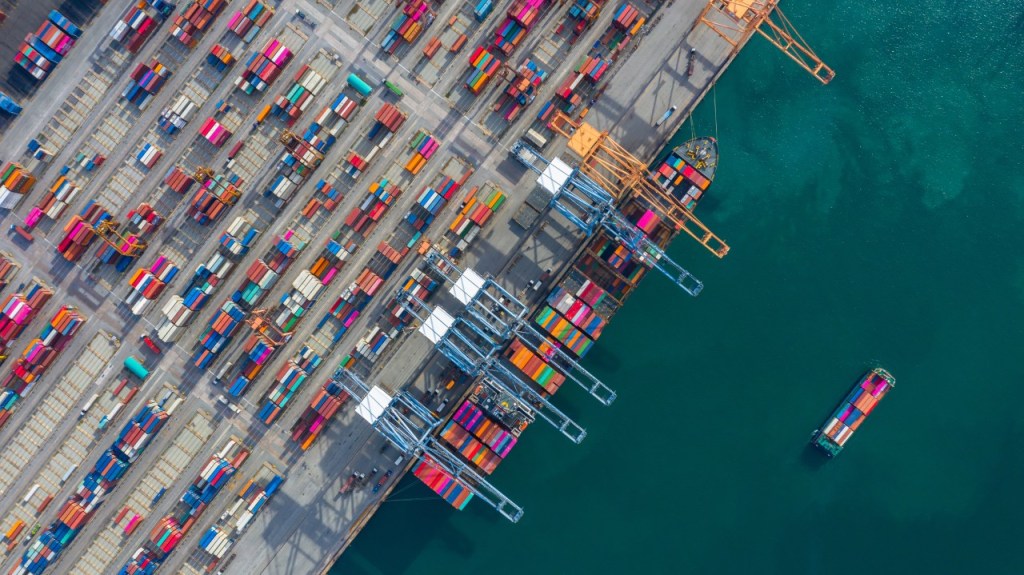
As the UK develops its mission to establish Freeports, drawing from global best practices in stakeholder engagement can play a pivotal role in enhancing the quality and effectiveness of applications. Successful Freeports are not just about tax incentives and customs advantages; they require a robust alignment of interests among diverse stakeholders, including government bodies, businesses, local communities, and environmental groups. Today were going to explore how the UK can learn from international experiences to improve its Freeport applications through effective stakeholder engagement.
1. Inclusive planning and consultation
Case study: Singapore’s Freeport success is largely attributed to its inclusive planning process. The government actively engaged with a broad spectrum of stakeholders, including logistics companies, manufacturers, and financial institutions. Regular consultations ensured that the policies were well-aligned with the needs of businesses while also addressing potential community concerns.
UK application insight: UK ports can adopt a similar approach by establishing multi-stakeholder advisory panels. Engaging with local businesses, environmental groups, and community leaders from the outset can help identify potential issues and opportunities, leading to more comprehensive and balanced Freeport proposals.
2. Transparent communication channels
Case study: Dubai’s Jebel Ali Free Zone (JAFZA) is renowned for its transparent communication strategies. Regular updates and open forums allowed stakeholders to stay informed and provide feedback on ongoing developments. This transparency helped build trust and ensured continuous support from all parties involved.
UK application insight: UK ports should prioritise transparency by setting up dedicated communication channels, such as online portals and regular town hall meetings. This openness can demystify the Freeport development process, address misconceptions, and garner widespread support.
3. Collaborative governance structures
Case study: In the Netherlands,the Port of Rotterdam’s success is partly due to its collaborative governance model. The port authority works closely with municipal governments, private companies, and research institutions. This collaborative framework facilitates efficient decision-making and ensures that all stakeholder voices are heard.
UK application insight: In the UK, ports can benefit from establishing collaborative governance structures that include representatives from various stakeholder groups. Such a framework can help in resolving conflicts, fostering innovation, and ensuring that Freeport developments meet diverse needs and expectations.
4. Sustainability and social responsibility
Case study: Germanys Port of Hamburg has set a benchmark in integrating sustainability into its operations. Extensive engagement with environmental groups and local communities has led to the adoption of green technologies and practices that minimise ecological impact while promoting economic growth.
UK application insight: Incorporating sustainability and social responsibility into Freeport proposals can significantly strengthen applications. UK ports should engage with environmental experts and community advocates to develop eco-friendly practices and community development plans, showcasing a commitment to long-term positive impacts.
5. Economic and workforce development
Case study: In China, Shenzhen’s transformation into a thriving economic hub is a testament to strategic stakeholder engagement focused on workforce development. Partnerships with educational institutions and training centres have ensured a steady supply of skilled labour, aligning workforce capabilities with industry needs.
UK application insight: UK ports should engage with educational institutions and training providers to develop programs that address the skill requirements of businesses operating within the Freeport. Demonstrating a commitment to job creation and workforce development can make Freeport applications more compelling.
6. Cultural and heritage considerations
Case study: The Freeport of Monrovia in Liberia has incorporated cultural heritage preservation into its development plans. Engagement with local communities has ensured that cultural sites and practices are respected and integrated into the port’s operations.
UK application insight: Respecting and incorporating local cultural and heritage considerations can strengthen community support for Freeport projects. UK ports should work with cultural heritage organisations and local historians to ensure that Freeport developments are sensitive to local identities and traditions.
As the UK advances its Freeport agenda, the integration of global stakeholder engagement lessons can significantly enhance application quality and effectiveness. By fostering inclusive planning, transparent communication, collaborative governance, sustainability, workforce development, and cultural sensitivity, UK ports can create Freeports that not only drive economic growth but also earn broad-based support and deliver long-term benefits to all stakeholders involved. Adopting these best practices can help ensure that UK Freeports become models of excellence on the global stage.
 Rapport North