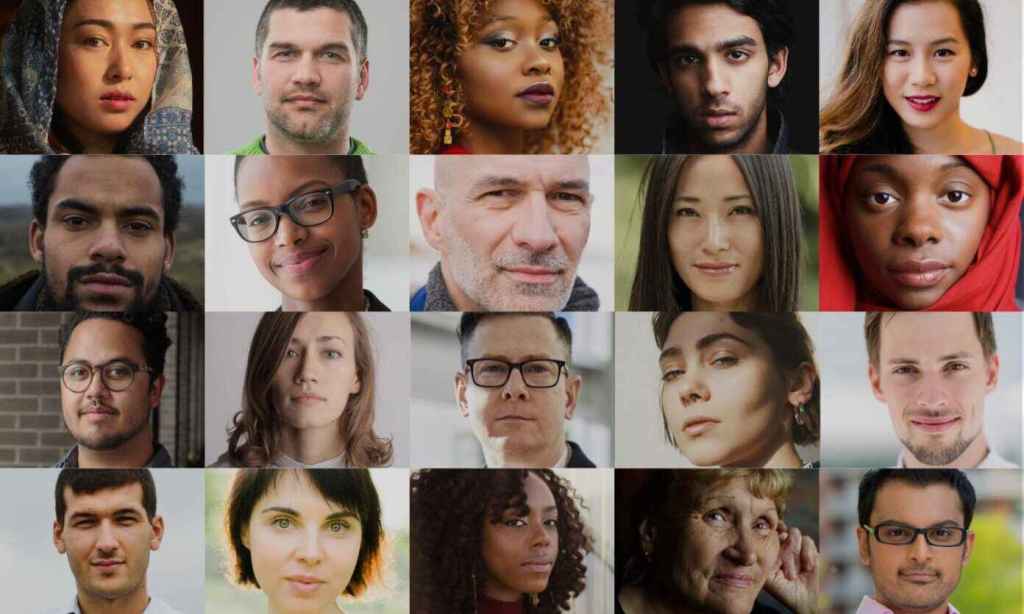
In our pursuit of success, we often overlook the fundamental truth that business is, at its core, about people. When we talk about stakeholders, it’s easy to reduce them to mere labels: customers, members of the public, communities, statutory bodies, authorities, officers. But labels are impersonal. They strip away the individuality and humanity of the very people who hold the power to propel our businesses forward.
The art of making individual stakeholders feel important as people, and not just as labels, is not just a nicety – it is a necessity. It is the difference between a transactional relationship and a transformative one. Let’s explore how we can humanise these interactions and foster a culture where every stakeholder feels valued, seen, and heard.
The power of empathy
Empathy is the cornerstone of human relationships. It’s the ability to step into someone else’s shoes and see the world through their eyes. For leaders, this means taking the time to understand the unique perspectives and experiences of each stakeholder. It means listening—not just to respond, but to understand.
Imagine you’re a project manager meeting with a key stakeholder. Instead of diving straight into benefit cost ratios or value for money projections, take a moment to ask about their priorities, lived experience and values. What motivates them? What are their concerns beyond the balance sheet? This simple act of empathy can transform a routine meeting into a meaningful connection.
Personalisation over generalisation
In a world driven by data, we often fall into the trap of generalisation. We segment our customers, categorise our employees, and group our stakeholders based on demographics or behaviours. While data is invaluable, it should not replace the personal touch.
Personalisation means going beyond the data points. It’s about recognising that behind every statistic is a human being with unique needs and desires. When you send a thank-you note to a long-time customer, mention something specific about their journey with your company. When you recognise an employee, acknowledge their individual contributions and the personal challenges they’ve overcome.
Creating safe spaces for authenticity
People thrive when they feel safe to be their authentic selves. This principle is crucial in humanising stakeholder relationships. Create environments where stakeholders can express their true thoughts and feelings without fear of judgment or retribution.
For employees, this might mean fostering a workplace culture that encourages vulnerability and open communication. For stakeholders, it might involve creating channels where they can provide honest feedback and feel confident that their voices are heard. For members of the community, it means transparency and openness, even when discussing difficult topics.
Building trust through consistency
Trust is the bedrock of any relationship. It is built through consistent actions over time. For stakeholders to feel truly valued, they need to see that your commitment to them is unwavering.
Consistency means keeping promises and aligning your actions with your words. If you pledge to prioritise employee well-being, ensure that your policies and practices reflect that commitment. If you promise transparency to your stakeholders, maintain open lines of communication, even when the news is not all positive.
Celebrating the individual
We all want to feel that we matter. Celebrating individuality means recognising and appreciating the unique contributions of each stakeholder. This goes beyond annual awards or public acknowledgments; it’s about everyday actions.
Celebrate milestones, both big and small. Recognise the unique talents and passions of your team members. Share stories of people who have made a difference. Highlight the personal achievements of your projects and the communities you benefit. These acts of recognition not only make individuals feel valued but also strengthen the bonds of your relationship.
Humanising the art of making individual stakeholders feel important is about more than just business; it’s about creating a culture of respect, empathy, and genuine connection. When we see stakeholders as people, not labels, we unlock the true potential of our relationships. We build trust, foster loyalty, and create a foundation for sustainable success.
In the end, the most successful businesses and projects are those that remember that their greatest asset is people. By valuing an individual, we not only enhance our business but also enrich our own lives. Let’s commit to seeing, hearing, and celebrating the people behind the labels.
 Rapport North